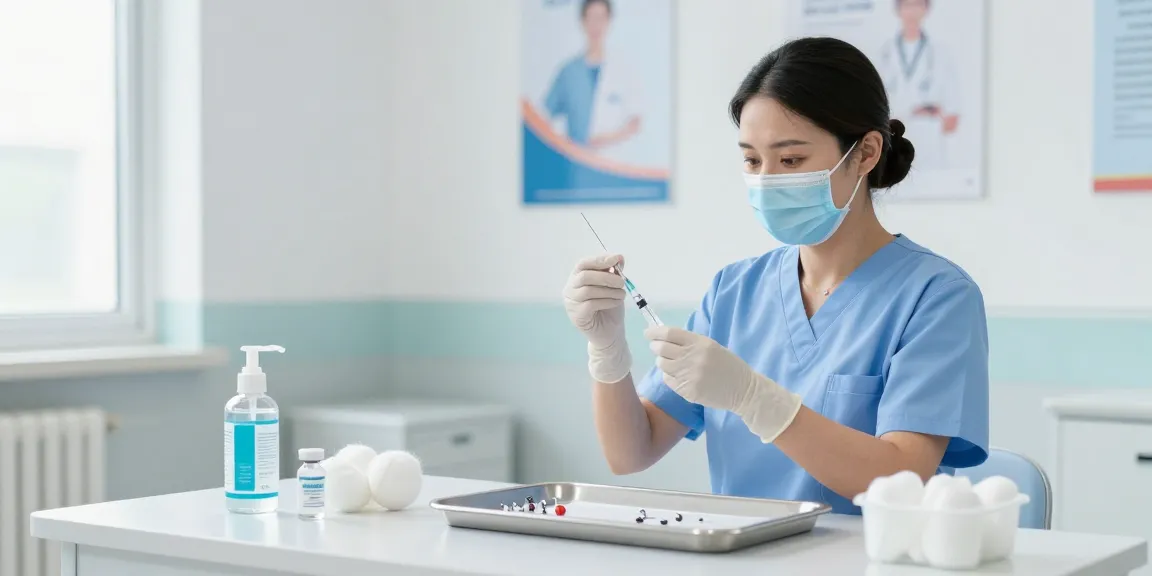
Understanding Injection Needles: Types and Uses
Injection needles are essential tools in various medical procedures, playing a crucial role in patient care and treatment. As healthcare technology continues to evolve, the importance of injection needles cannot be overstated. They are used in everything from immunizations to administering medications, requiring a deep understanding of their types, uses, and safety practices. When exploring options, injection needle technology offers comprehensive insights into the latest advancements and applications in this field.
Types of Injection Needles
There are several types of injection needles, each designed for specific purposes. Understanding these differences is important for healthcare professionals and patients alike. The primary types include:
- Standard Needles: Often used for intramuscular or subcutaneous injections, these needles come in various lengths and gauges.
- Safety Needles: Designed to minimize the risk of needlestick injuries, safety needles include mechanisms that retract the needle after use.
- Insulin Needles: Specifically designed for administering insulin, these needles are often shorter and thinner to reduce discomfort for diabetic patients.
- Intravenous (IV) Needles: Used for accessing veins, IV needles are longer and may come with a catheter to maintain access.
Common Uses in Medical Procedures
Injection needles are employed in various medical procedures, including:
- Vaccinations: Essential for immunization against infectious diseases.
- Medication Delivery: Used to deliver medications, including pain relief and chemotherapy.
- Blood Draws: Facilitating blood tests and transfusions.
- Hormonal Therapy: Administering hormonal injections for conditions like infertility or hormone replacement therapy.
Importance of Needle Size and Gauge
The size and gauge of an injection needle are critical for the comfort and effectiveness of the procedure. The gauge refers to the thickness of the needle, with smaller numbers indicating a thicker needle. Here are some considerations:
- Comfort: Thinner needles (higher gauge) tend to cause less pain during injection.
- Efficacy: The appropriate size ensures that the medication is delivered effectively to the targeted tissue.
- Infection Control: Using the right needle size can reduce the risk of complications and infections.
Best Practices for Safe Needle Handling
Safety in needle handling is paramount to prevent infections and injuries. Following best practices is essential for healthcare professionals and patients. Here are key guidelines to consider:
Maintaining Aseptic Technique
Aseptic technique involves procedures to prevent contamination by pathogens. It is crucial when handling injection needles. Some tips include:
- Hand Hygiene: Always wash hands thoroughly before and after handling needles.
- Use of Gloves: Wear sterile gloves to minimize the risk of transferring bacteria.
- Proper Cleaning: Clean the skin site with an antiseptic solution before injection.
Proper Disposal of Injection Needles
Safe disposal is vital to prevent needlestick injuries. Follow these steps:
- Sharps Containers: Always dispose of needles in designated sharps containers immediately after use.
- Do Not Re-cap: Avoid recapping needles to minimize injury risk.
- Follow Local Regulations: Adhere to local regulations for hazardous waste disposal.
Preventing Needlestick Injuries
Needlestick injuries can lead to serious health risks, including infections. Here are strategies to prevent such incidents:
- Use Safety Devices: Utilize safety-engineered injection needles designed to minimize the risk of injuries.
- Training and Education: Regularly educate healthcare staff about safe handling practices.
- Reporting Incidents: Encourage prompt reporting of needlestick incidents to improve workplace safety.
Injection Needles in Vaccination Campaigns
Vaccination campaigns are crucial for public health, and injection needles play a central role in these efforts. Their effectiveness directly impacts the success of immunization programs.
The Role of Needles in Immunization
Needles are vital in delivering vaccines to individuals, ensuring that communities achieve herd immunity. Understanding the role of needles in vaccination helps healthcare providers:
- Choose the Right Needle: Selecting appropriate needle sizes for different age groups and vaccine types is essential.
- Maintain Consistency: Consistent needle use practices across different vaccination sites is critical for patient trust.
Innovations in Needle Technology
Advancements in needle technology are transforming the landscape of medical procedures. Innovations such as:
- Micro-Needles: These are smaller and less painful, enhancing patient compliance.
- Needles with Built-in Safety Features: Enhancing safety protocols to prevent injury during vaccinations.
- Smart Needles: Using sensors to monitor injection rates and optimize delivery.
Educating Patients About Vaccinations
Patient education is fundamental to successful vaccination campaigns. Healthcare providers should:
- Provide Information: Share details regarding the importance of vaccinations and the use of injection needles.
- Address Concerns: Discuss common fears and misconceptions about needles to ease patient anxiety.
Future Trends in Injection Needle Design
The design of injection needles is evolving, driven by technological advancements and changing patient needs. Understanding future trends is critical for stakeholders in the healthcare industry.
Emerging Technologies and Materials
New materials and technologies are being developed to enhance the functionality of injection needles. Notable trends include:
- Bio-absorbable Needles: These dissolve in the body, eliminating the need for disposal.
- Coating Technologies: Innovations that reduce friction and pain during injections.
Personalized Medicine and Needle Applications
As personalized medicine gains traction, injection needles will adapt to provide tailored treatments. This may include:
- Customizable Needle Lengths: Allowing healthcare providers to select needle lengths based on individual patient anatomy.
- Targeted Delivery Systems: Innovations that enable precise delivery of medications to specific tissues.
Environmental Impact of Injection Needles
With growing concern about environmental sustainability, the impact of single-use injection needles is significant. Future designs will likely focus on:
- Recyclable Materials: Developing needles made from materials that can be safely recycled.
- Reducing Waste: Creating multi-use needle systems that adhere to safety protocols.
Frequently Asked Questions
What are the different types of injection needles?
Injection needles can be categorized into several types, including standard needles, safety needles, insulin needles, and intravenous needles, each serving different medical purposes.
How do I dispose of injection needles safely?
Injections needles should be disposed of in designated sharps containers immediately after use to prevent injuries and infections.
What innovations are being made in injection needle technology?
Innovations in injection needle technology include micro-needles, smart needles with sensors, and safety-engineered designs that prioritize user safety.
How can I prevent needlestick injuries?
Preventing needlestick injuries involves using safety devices, implementing proper training protocols, and fostering a culture of safety in healthcare settings.
Why are injection needles important in vaccination efforts?
Injection needles are crucial in vaccination efforts as they ensure accurate and effective delivery of vaccines, directly impacting public health outcomes.