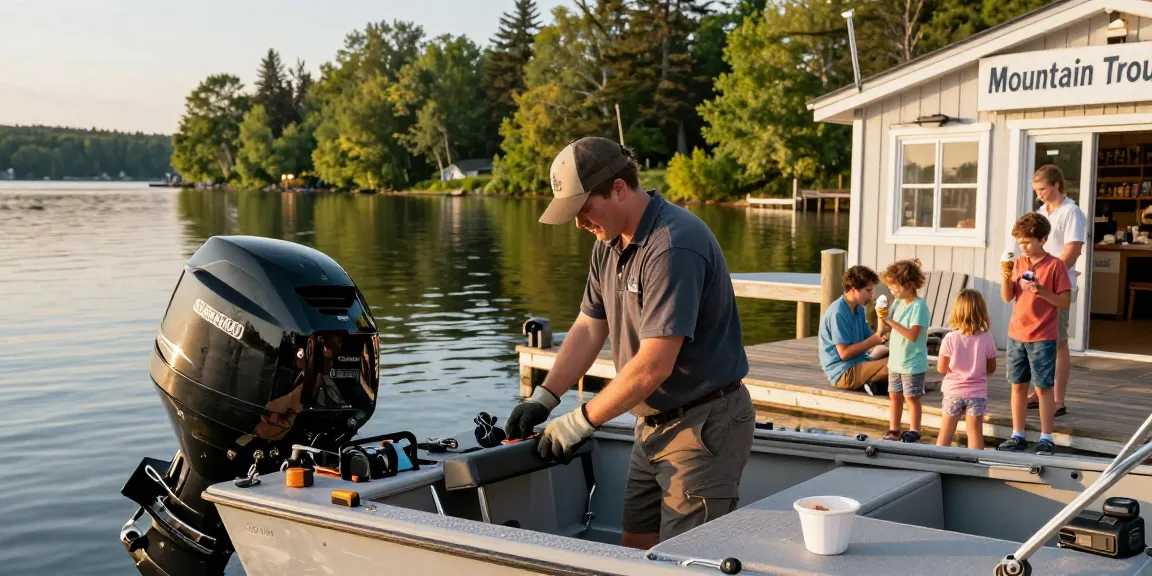
Understanding Common Boat Repairs
Boat ownership comes with responsibilities, especially when it comes to maintenance and repairs. For every boater, knowledge of common boat repairs is essential not just for safety, but for enhancing the enjoyment of your time on the water. Whether it’s a minor issue or a significant malfunction, understanding what to look for and how to address it can save you time and money. Moreover, when exploring options, boat repairs should be carried out by experienced professionals to ensure reliability and safety on the water.
What Are the Most Frequent Boat Repairs?
Boats, like any other machinery, are subject to wear and tear. Here are some of the most frequent repairs that boat owners encounter:
- Engine Problems: Whether it’s an outboard or inboard engine, mechanical issues can arise, leading to performance problems or complete breakdowns.
- Electrical Failures: Many modern boats rely heavily on electrical systems, making it common for wiring, batteries, and electronic devices to fail.
- Hull Repairs: Scratches, cracks, and damage can occur due to impact with objects in the water or even when docked.
- Leakage: A leaking hull can be a serious issue that requires immediate attention, often due to wear on seals or structural damage.
- Fuel System Issues: Problems with fuel lines or pump failures can affect engine performance and require prompt repairs.
The Importance of Regular Maintenance
Regular maintenance plays a critical role in preventing the need for extensive repairs. Keeping your boat in top condition not only ensures safety but also prolongs its lifespan. Regular maintenance checks should include:
- Engine oil changes
- Inspection of fuel lines and connections
- Battery maintenance
- Cleaning and inspecting the hull
- Winterizing your boat to prevent freeze damage
Identifying Early Signs of Boat Issues
Being proactive can help mitigate serious problems down the line. Early signs of issues might include:
- Strange noises from the engine
- Unusual vibrations during operation
- Unexplained fluid leaks
- Mold or mildew in the cabin area
Choosing the Right Marina for Boat Repairs
Finding a reliable marina for boat repairs can significantly impact your boat’s performance and your overall boating experience. Here are several factors to consider:
What to Look for in a Repair Facility
The following attributes can help ensure you choose a quality repair marina:
- Certifications: Ensure the marina has certified technicians for the specific repairs you need.
- Experience: Look for a marina with a proven track record and positive customer reviews.
- Equipment: Ensure they have the latest diagnostic and repair equipment.
- Customer Service: Friendly and transparent service can enhance your experience, making it more enjoyable.
Questions to Ask Your Marina About Services
Before choosing a marina, it’s critical to ask the right questions, including:
- What types of repairs do you specialize in?
- How long will the repairs take?
- What are your warranties on repairs?
- Can you provide references or testimonials?
- What is the estimated cost of the repairs?
Comparing Local Marinas: Key Factors
When evaluating marinas, consider these key factors:
- Location: Proximity can make maintenance and service easier and less time-consuming.
- Services Offered: Ensure they can handle a myriad of repair needs and provide added services such as winterization.
- Pricing: Get quotes from multiple marinas to understand the average cost for the repairs you need.
Essential Tools and Equipment for DIY Boat Repairs
For the hands-on boat owner, having the right tools is essential. Here’s a list of basic tools every boat owner should consider having:
Basic Tools Every Boat Owner Should Have
- Socket set
- Wrenches (both standard and metric)
- Boat repair manual specific to your model
- Multimeter for electrical troubleshooting
- Basic hand tools (screwdrivers, pliers, hammers)
Safety Equipment for DIY Repairs
Safety should always be a priority. Make sure you have:
- Personal flotation devices (PFDs)
- Fire extinguisher
- First aid kit
- Protective eyewear and gloves
Where to Source Quality Repair Materials
Using high-quality materials ensures longevity and effectiveness in repairs. Consider sourcing from:
- Reputable marine supply stores
- Online retailers specializing in boat parts
- Local marinas that carry top brands
Hiring Professional Help for Complex Repairs
While DIY repairs can be rewarding, some issues are best left to professionals. Understanding when to call in the experts is key:
When to Call in the Experts
Consider hiring a professional for:
- Engine overhauls or replacements
- Complex electrical issues
- Structural repairs
- Regulatory compliance audits
Understanding Repair Costs and Estimates
Repair costs can vary widely based on the type and extent of the damage. Factors influencing costs include:
- Type of repair needed
- Labor costs in your area
- Accessibility of the repair site
- Parts required for the repair
Choosing a Knowledgeable Technician
Finding a qualified technician can make all the difference in the quality of your repairs. Look for:
- Relevant certifications and licenses
- Experience with your specific boat model
- Good reviews and recommendations from previous customers
Future Trends in Boat Repairs for 2026
The future of boat repairs is evolving with technological advancements and changes in consumer expectations. Here’s what to watch for:
Innovations in Boat Repair Technologies
Expect to see increased use of automated diagnostic tools and artificial intelligence in troubleshooting common boat problems. Additionally, 3D printing may revolutionize the way parts are produced and replaced.
Sustainability Practices in Marine Repair
As environmental awareness grows, marinas will increasingly adopt sustainable practices, such as using eco-friendly materials and methods for repairs.
Anticipating Changes in Boating Regulations
Stay informed about new regulations that may impact repair practices, especially regarding emissions and safety standards.
What Should I Look for in Boat Repairs?
When considering repairs, check for transparency in service offerings, warranties, and the reputation of the repair service.
How Often Should I Service My Boat?
Regular servicing should occur at least once per season, with additional checks before major outings or after severe weather conditions.
What Are Typical Costs for Boat Repairs?
While costs vary significantly, simple repairs might start at $100, whereas complex issues can escalate into the thousands. Always request a detailed estimate before proceeding.
Can I Do Boat Repairs Myself?
Certain basic maintenance and repairs can be performed by owners, but always weigh the risks and implications of more serious issues.
How Long Do Boat Repairs Usually Take?
Repair times can vary based on complexity. Simple fixes might take a few hours, while major repairs could stretch into weeks, especially if parts need to be ordered.